Ever sat at a blackjack table and heard someone shout, “Monkey!” just as the dealer is about to reveal a card? If that left you intrigued or puzzled, you’re not alone.
Blackjack comes with its own vocabulary, and terms like "monkey" can catch new and seasoned players off guard. It’s a quirky expression with a simple meaning and a social role at the table.
Curious where it comes from, what it actually means, and when you might hear it? Read on — this guide will have you recognising the term and understanding how it fits into play.
What Is the Meaning of "Monkey" in Blackjack?
In blackjack, “monkey” is a piece of table slang used when players are hoping the next card will be worth ten points. That covers tens, jacks, queens and kings, which all count as ten in the game.
You’ll often hear it called out when a player’s total would improve significantly with a ten-value card. For example, someone on 11 might voice “Monkey!” because a ten would give them a strong hand. It’s purely expressive language meant to convey what the player would like to see—not a tactic or signal that affects the cards.
Beyond that, saying “monkey” is part of the social texture of the game: a quick, light way for people to join in the same moment and share in the excitement around a reveal.
Where Did the Term "Monkey" Originate in Card Games?
The exact origin is unclear, but many believe the word spread from Asian gambling communities, including Macau and nearby casino hubs. In some local traditions, the lively illustrations of face cards were likened to animated or mischievous figures, which may have inspired an informal label.
From those regional uses, the slang moved into broader casino culture and into blackjack rooms elsewhere. Over time it became one of several idioms players use to express a preference for a ten-value card without changing how the game is played.
The label is cultural rather than technical: it reflects players’ habit of giving things memorable names, which helps make the atmosphere at the table more approachable.
How Do Players Use "Monkey" at the Blackjack Table?
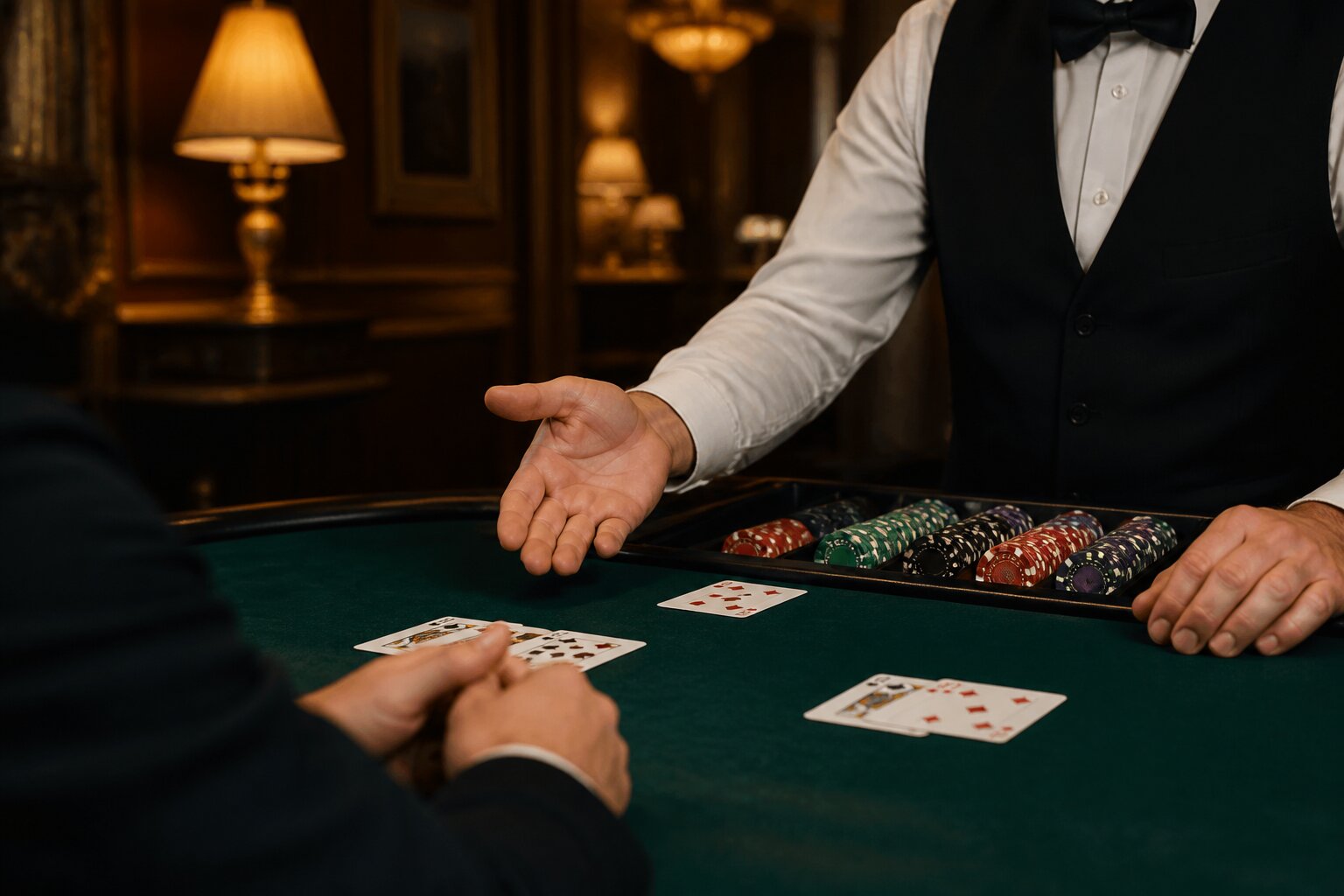
Players typically call out “monkey” at the moment a live card is about to be exposed, especially when a ten-value card would be beneficial. It’s often verbal shorthand for “I’d like a ten now,” and can be shouted with humour or mild anticipation.
You might also hear it when others at the table are hoping for a face card to complete a strong hand. The phrase doesn’t convey strategy or skill; instead it functions as a shared, informal cue that everyone understands in context.
A few tables treat such calls as part of the banter, while others remain quiet and focused. If you’re new, listen first to the table’s tone before joining in.
Do Dealers and Casinos Use the Term "Monkey"?
Dealers sometimes hear players say “monkey,” and they may acknowledge it with a smile or a brief comment to keep the game friendly. It’s not an official term used in rules or training, and staff don’t use it as part of procedure.
Crucially, any casual talk by staff or players does not change the way a game is run. Dealing follows fixed protocols and oversight to ensure fair and consistent play. So while the slang adds personality, it never alters the mechanics or the dealing process.
If conversation at the table gets too loud or disruptive, dealers are likely to steer things back to normal play so all participants have a clear and comfortable experience.
Common Misconceptions About "Monkey" in Blackjack
One frequent misconception is that saying “monkey” can influence which card appears. That isn’t the case—cards are produced by established dealing procedures, and calls from players don’t affect outcomes.
Another mistaken belief is that the word indicates insider knowledge or a special strategy. In truth, it’s table talk: a cultural cue rather than a technique. Players who use the slang aren’t gaining any advantage over others by doing so.
It’s worth noting that understanding this difference helps separate social play from decision-making at the table; knowing the lingo makes the environment more accessible, but it doesn’t change the underlying game mechanics.
Other Popular Blackjack Slang Terms
Below are a few other words you might hear around a blackjack table, each with a short explanation to help you follow the conversation.
- Snapper: Refers to a blackjack hand — an ace and a ten-value card dealt as the first two cards.
- Stiff: Describes a hand valued between 12 and 16, where hitting carries a higher risk of exceeding 21.
- Paint: A term for face cards (jack, queen, king), which are all worth ten points.
- Burn Card: The card removed from play at the start of a new deck or shoe to make card sequence less predictable.
- Double Down: When a player increases their original wager in exchange for one additional card to the hand.
These terms help players communicate quickly about common situations without lengthy explanation, and they’re an easy way to feel part of the group.
Is "Monkey" Used in Other Casino Games?
While “monkey” is most commonly associated with blackjack, you may occasionally hear it in other card games where ten-value cards matter, such as baccarat or casual poker rooms in certain regions. When it appears outside blackjack, it typically carries the same informal meaning: a call for a ten-value card.
Examples of games and settings where you might hear it include:
- Baccarat, where ten-value cards affect hand totals.
- Casual or home poker games in certain areas, where players borrow slang from other card games.
- Mixed-game rooms or novelty tables that attract a more chatty crowd.
Use and recognition vary by location and by table culture. Some rooms are full of colourful phrases and chatter, while others remain comparatively restrained. Newcomers should listen first, then join in only if it feels appropriate and does not distract the dealer or other players.
Being aware of regional differences will help you adapt to new settings and join in if you wish. Always respect the table etiquette in any casino: keep calls brief, avoid confusing or misleading phrases, and do not interfere with play or the dealer’s duties.
Why Does Slang Like "Monkey" Matter in Blackjack?
Slang terms like “monkey” contribute to the social fabric of a blackjack table. They create familiarity among players, offer quick ways to express expectations, and can make the experience more engaging for those who enjoy the conversational side of play.
Knowing a few common phrases can make joining a table less intimidating for newcomers, but it’s not required to play well. The practical effect of such language is limited to atmosphere rather than outcomes or strategy.
Keeping play civil and within the table’s tone ensures everyone can enjoy the event. That balance between social interaction and clear, fair procedure helps maintain a pleasant environment for all participants.
Knowing the Lingo: Should You Use "Monkey" When Playing?
Whether you use the slang is a matter of personal preference. Some players join in to share a moment with others at the table; others prefer to concentrate quietly on decisions. Both approaches are acceptable.
If you decide to use table talk, do so in a way that matches the room’s atmosphere and respects fellow players. Remember the rules about age and responsible participation: games are for adults only, and it’s important to play within your means.
Ultimately, familiarity with the lingo can enrich your experience, but the core of the game remains the same whether you speak the local vocabulary or not. Enjoy the social side if it suits you, and otherwise focus on playing the way you find most comfortable.
**The information provided in this blog is intended for educational purposes and should not be construed as betting advice or a guarantee of success. Always gamble responsibly.