
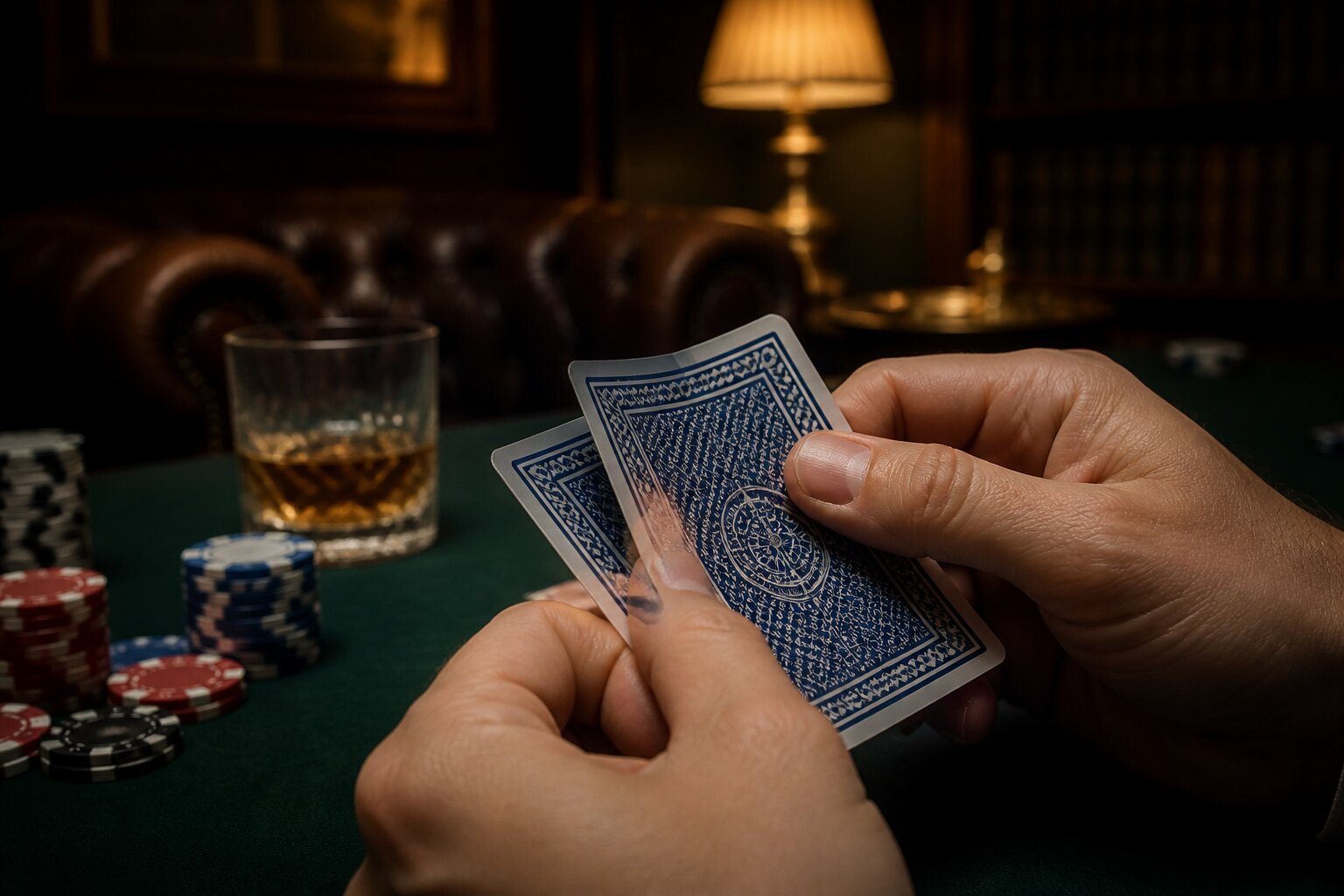
Have you ever wondered if someone at the poker table has an unfair advantage? Marked cards are an age-old trick, and they’re not just something from films or crime stories—they’re a real concern for anyone who enjoys a friendly or serious game of cards.
Spotting these sneaky markings isn’t as easy as you might think. Some are almost invisible to the untrained eye, and modern techniques have made markings subtler than ever.
Understanding how marked cards are identified and why they’re used helps you protect the integrity of a game and recognise when something is off. Read on to learn how they work and what to watch for.
What Are Marked Poker Cards?
Marked poker cards are ordinary playing cards that have been altered so their values can be recognised from the back without turning them over. Alterations range from tiny scratches and added dots to modified printed patterns or special inks that show up under particular light.
These changes are designed to be discreet. A casual glance will often miss them, which is why they’re effective for someone attempting to gain an advantage. The intent behind the mark is what makes it problematic: when used in gambling to influence outcomes, marked cards are cheating and unlawful.
Fair play depends on everyone abiding by the same rules. If you think a deck has been tampered with during a gambling game, it should be reported to the dealer or staff so the situation can be investigated promptly.
Common Types of Markings on Playing Cards
Marked cards can take many forms, from simple physical tweaks to technically sophisticated alterations. Here are the most common types:
-
Special inks
Some cards are treated with inks visible only under certain lighting, such as ultraviolet. These markings are intended to remain hidden during routine play. -
Scratches and nicks
Tiny scratches or cuts along the backs or edges can encode information. They’re subtle enough to pass casual inspection. -
Variations in patterns
Small changes to the printed back design—an extra line, a dot or a slightly shifted motif—can serve as signals without drawing attention. -
Bent or altered corners
Slight bends, compressed edges, or clipped corners can be used to mark particular cards. These physical differences are most effective when mixed into a deck with naturally worn cards.
Professional gaming venues use routine checks and card handling protocols to spot these methods early and remove altered decks from play.
How Can You Spot Marked Poker Cards?
Detecting marked cards relies on observation and familiarity with what a normal deck looks and feels like. A few targeted checks and some situational awareness can reveal inconsistencies before they affect the game.
Visually, scan card backs and edges for anything that seems irregular: tiny symbols, unexpected lines or colour shifts in the pattern. Look for misaligned printing, or cards that look newer or more worn than others.
Tactile clues matter too. When cards are handled, subtle changes in texture—raised areas, rough spots or slightly bent corners—can stand out compared with the rest of the deck. In some cases, markings may even change the weight or feel of a card enough for a trained person to notice.
If something strikes you as odd, mention it to the dealer or floor staff so they can examine the deck. Reporting a concern early avoids disputes later and helps keep play fair for everyone.
Are Marked Playing Cards Legal?
Using marked cards to gain an advantage in gambling is illegal in the UK. The Gambling Act 2005 treats devices and methods intended to cheat as criminal matters when used in wagering, and venues that operate regulated games are required to prevent and report cheating.
Regulated operators follow strict procedures around card procurement, handling and replacement, and they work with enforcement authorities when unlawful behaviour is uncovered. Consequences for using marked cards can include removal from premises, bans from regulated venues and, in serious cases, criminal charges.
If you encounter suspected cheating, escalating the matter to staff ensures the rules are enforced consistently and that any investigation is handled through the proper channels.
Uses of Marked Poker Cards in Entertainment and Magic
Marked cards aren’t inherently malicious; they have legitimate, creative uses outside gambling. Magicians and performers use specially prepared decks to create impressive illusions—revealing a chosen card, demonstrating apparent mind-reading, or executing complex sleight-of-hand routines.
Decks sold to entertainers are designed to be obvious to the performer while remaining secret to the audience, and they’re intended solely for performance use. The key difference is context: using such decks in a gambling environment to influence outcomes is unacceptable and unlawful, whereas using them on stage is an accepted part of the craft.
If you enjoy card magic, these tools can be a clever aid, but they should stay within performance settings and never be introduced into games involving money.
How to Protect Yourself Against Marked Cards in Games
Protecting a game from marked cards combines sensible card care with attentive game management. At home, rotate out old or visibly inconsistent decks, and choose well-made cards from reliable suppliers. Keep the deck together between hands and check that every card matches in design and condition before play begins.
In regulated venues, controls include sealed decks, regular shuffling procedures, and staff trained to spot irregularities. Electronic card games operate differently: software-driven shuffling and dealing remove the possibility of physical tampering.
When you notice something unusual—whether a visual mismatch or odd handling behaviour—bring it to staff attention so they can inspect the deck. Early reporting keeps disputes small and helps maintain a fair environment for everyone.
Myths About Marked Cards: Fact vs Fiction
There are several misconceptions about marked cards that can mislead players and spectators.
One myth is that marked cards are a common problem in professionally run venues. In reality, regulated operators take proactive steps to prevent tampering, so incidents are comparatively rare and are treated seriously when they occur.
Another misconception holds that professional players routinely rely on marked cards. The majority of competitive players value integrity and build reputations on skill and honesty; using marked cards would destroy that standing and risk severe penalties.
Finally, some people assume marked cards are always obvious. Many marks are deliberately subtle and designed to be difficult to detect without training or tools, which is precisely why vigilance and proper procedures are important where money is at stake.
Understanding these distinctions helps separate sensational stories from the practical reality of how games are protected.
Ethical Considerations When Using Marked Playing Cards
Fairness lies at the centre of good play. Introducing marked cards into gambling undermines trust, harms fellow players and damages the social fabric that makes card games enjoyable.
From an ethical standpoint, using marked cards for financial gain is indefensible; it turns a shared pastime into a rigged contest. Operators and players alike have a responsibility to preserve honest competition by ensuring decks are legitimate and by raising concerns when something seems wrong.
Why fair play matters is simple: when rules are respected, games remain competitive, transparent and enjoyable for all participants. That spirit is what keeps communities of players strong and ensures gatherings—whether casual or competitive—remain welcoming places.
We take these principles seriously and will act on reports of tampering. If you ever have doubts about a deck in play, tell a member of staff so the matter can be examined discreetly and resolved. True players respect the game and each other, keeping every hand fair and above board.
**The information provided in this blog is intended for educational purposes and should not be construed as betting advice or a guarantee of success. Always gamble responsibly.